You Are Not a
Bad Mother.
You Are Struggling.
How Long Can Postpartum Depression Last?
The "baby blues" - mild mood changes right after birth - typically resolve within 2 weeks. True postpartum depression, if left untreated, can persist for 6 months, 12 months, or longer. With early professional support and postpartum counselling, most people begin to feel significantly better within 3 to 6 months.

Baby Blues
Lasts: 3–14 days
Mild mood swings, tearfulness, and exhaustion are very common right after birth. These are largely hormonal and usually resolve on their own within two weeks.

Postpartum Depression
Lasts: Weeks to 1+ year (without support)
Deeper, more persistent sadness, anxiety, or numbness that significantly affects daily life. This does not resolve on its own and benefits greatly from professional counselling.

What Is Postpartum Counselling?
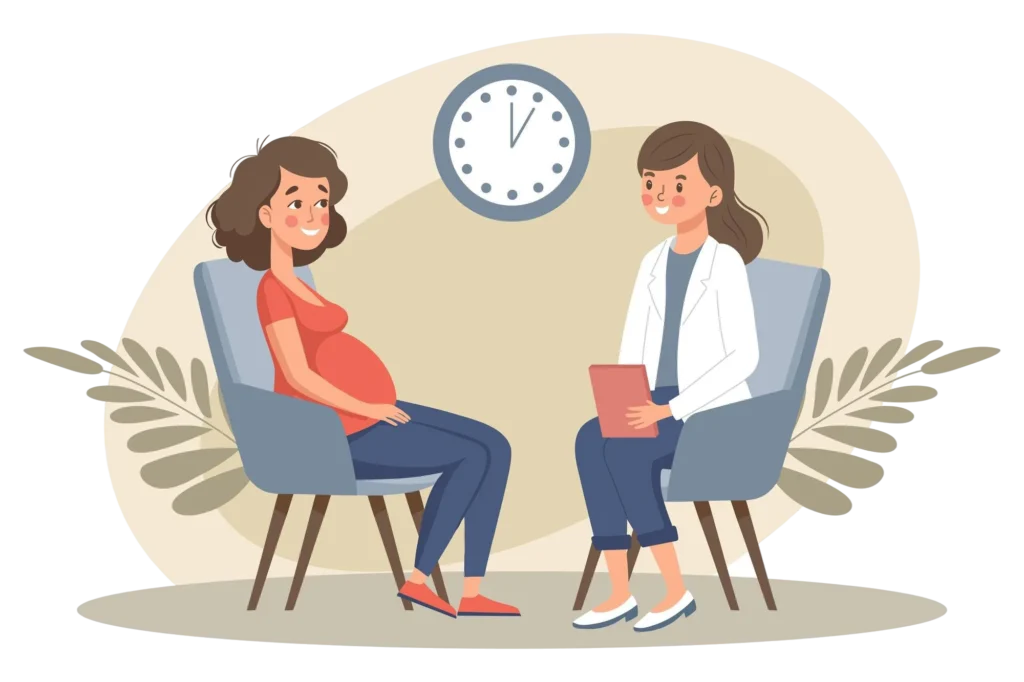
Postpartum counselling is a form of psychotherapy - a talking therapy - specifically designed to support new and expectant mothers (and parents) through the emotional, psychological, and identity shifts that come with having a baby.
It's not about being fixed. It's about having a space where someone truly listens without judgment - where you can put down the weight of trying to seem okay, and honestly explore what you're going through.
- Postpartum counselling addresses:
- Postpartum depression and persistent sadness
- Postpartum anxiety, racing thoughts, fear of harm
- Birth trauma and PTSD-like responses
- Feelings of losing yourself or your identity
- Cultural expectations of "perfect motherhood"
- Feeling disconnected from your baby or partner
- Navigating breastfeeding struggles, body changes, and guilt
How Long Can Postpartum Depression Last?
Understanding the timeline can help you trust your instincts. If it's been more than two weeks and it's not getting better - that's a signal worth listening to.
Drag the slider to see what's typical at each stage and what it means.
Day 1–3 After Birth
Factors That Affect How Long It Lasts

Severity at Onset
The more intense the symptoms early on, the longer recovery may take without support. Getting help early shortens the overall duration significantly.

Support System
Mothers with strong social and family support tend to recover faster. Cultural isolation, or families who minimise feelings, can extend the duration.

Access to Counselling
Counselling is the single most impactful factor. Evidence shows that therapy like CBT and ACT can dramatically shorten recovery - often within 8-16 sessions.

Cultural Pressure
Expectations to be the "perfect mother" - common in South Asian families - can prevent women from seeking help, prolonging suffering silently.

Sleep Deprivation
Chronic sleep loss worsens emotional regulation and can deepen depressive symptoms. Support with rest and routine is part of recovery.

History of Mental Health
A previous history of depression, anxiety, or trauma can increase both the likelihood and duration of PPD - but also means there are existing pathways to healing.

Signs You May Need Postpartum Support

Persistent sadness or emptiness
Crying without knowing why, or feeling a grey fog that doesn't lift

Constant anxiety or panic
Racing heart, catastrophic thoughts, fear that something terrible will happen to your baby

Feeling disconnected from your baby
Not feeling the bond you expected - and feeling ashamed about that

Feeling like a bad mother
Relentless guilt, self-blame, feeling like your baby would be better without you

Anger, irritability, or rage
Snapping at loved ones, feeling out of control emotionally - not like yourself

Thoughts of harming yourself or your baby
Snapping at loved ones, feeling out of control emotionally - not like yourself

Symptom Checklist
Select everything that resonates with how you've been feeling. This is not a diagnosis — it's a gentle way to understand yourself.
Do I Need Postpartum Counselling?
How long have you been feeling emotionally overwhelmed, sad, or anxious since giving birth?
How would you describe your connection with your baby right now?
How much are these feelings affecting your daily life — caring for yourself, your baby, or your relationships?
Do you feel pressure to hide your true feelings from family or community?
Have you had any thoughts of harming yourself, or felt like things would be easier without you?
What feels most true about where you are right now?
You're Not Alone
Your results and a personalised message will appear here.
Confidential · No referral needed · Tamil & English
How Our Postpartum Counselling Works
Simple, gentle, and at your pace. No forms to dread, no long waits, no need to explain your entire history before feeling supported.

Free 15-Min Consultation
A calm, pressure-free call with Hareesma. Ask questions, share what's on your mind, and see if this feels like the right fit. No commitment required.

Your First Session - Just Share
There is no right way to begin. Your first session is simply about being heard. Hareesma listens without judgment - in English or Tamil - and meets you exactly where you are.

Ongoing Support, At Your Pace
Counselling is the single most impactful factor. Evidence shows that therapy like CBT and ACT can dramatically shorten recovery - often within 8-16 sessions.

This Service Is For You If…

New Mothers
Navigating postpartum depression, anxiety, birth trauma, or the emotional shock of early motherhood - whether your baby is weeks or months old.

Expectant Mothers
Perinatal anxiety, fear of birth, complicated feelings about pregnancy - support doesn't need to wait until after the baby arrives.

South Asian & Tamil Mothers
Navigating motherhood in Ontario far from your home community, cultural expectations of endurance, and the loneliness of being an immigrant mother.

Partners & Fathers
Postpartum depression affects partners too. If you're overwhelmed, emotionally disconnected, or carrying more than you can hold - you also deserve support.

Mothers of Multiple Children
A second or third postpartum experience can be just as hard - sometimes harder, because the expectation is that you "already know how to do this."

Anyone Who Isn't Sure
If you're reading this page and wondering if your feelings count as "bad enough" to deserve help - they do. You don't need to justify why you need support.

Why Hap Therapy Care for Postpartum Support?

Hareesma Amutha Venkatesan
Registered Psychotherapist (Qualifying) · M.A. Counselling Psychology · Tamil-speaking · CRPO #17974.
● CRPO Registered
● CCPA Member
● Tamil Speaking
● PHIPA Compliant
● Yorkville University MA
Lived experience with motherhood
Hareesma is a mother herself - she understands the weight of postpartum change from the inside, not just the textbook.
Sessions in Tamil & English
One of very few CRPO-registered Tamil-speaking psychotherapists in Ontario. Express yourself in your most natural language.
Deeply culturally aware
South Asian family expectations, community stigma around mental health, and the pressure to appear strong - these are understood here without explanation.
Strictly confidential
PHIPA-compliant sessions. Nothing you share reaches your family, community, or anyone else. Your story stays in the room.
Flexible scheduling - no waitlists
Daytime, evening, and Saturday sessions available virtually across Ontario. No referral needed. No waitlist.
Free 15-minute consultation
Before committing to anything, have a gentle conversation to see if this feels right. No pressure, no judgment.
Your Questions, Answered Honestly
How long can postpartum depression last?
Postpartum depression can last anywhere from a few weeks to more than a year if left untreated. The “baby blues” – mild mood disruptions in the first 1–2 weeks – often resolve on their own. True postpartum depression is different: it is more persistent, more severe, and does not simply go away with time.
With professional postpartum counselling, most people begin to see significant improvement within 3–6 months. Early intervention consistently leads to faster recovery. The most important thing: it is never too late to seek support.
When should I seek postpartum counselling?
You should consider postpartum counselling if:
- You have felt persistently sad, anxious, or overwhelmed for more than two weeks after birth
- You feel disconnected from your baby or partner
- You are experiencing significant guilt, self-blame, or thoughts of not being good enough
- Your daily functioning is affected – caring for yourself, your baby, or your relationships
- You have intrusive thoughts or fears about harm coming to yourself or your baby
You do not need to wait until things become unbearable. The earlier you reach out, the faster and easier recovery tends to be.
Is postpartum depression treatable?
Yes – postpartum depression is highly treatable. The vast majority of people who receive proper support, including counselling, recover fully. Therapeutic approaches like Cognitive Behavioural Therapy (CBT) and Acceptance and Commitment Therapy (ACT) have strong clinical evidence for postpartum depression. In some cases, therapy may be used alongside medication recommended by a doctor.
Recovery is real. Many clients describe feeling more like themselves than they have in years after working through postpartum counselling.
Can postpartum depression go away on its own?
The baby blues (lasting up to 2 weeks) often resolve on their own as hormone levels stabilise. True postpartum depression, however, typically does not resolve without support. Without treatment, symptoms can persist for many months or even years, intensify over time, and significantly affect your relationship with your child, your partner, and yourself.
Seeking counselling is not giving up – it is choosing to give yourself the support you deserve.
Is online postpartum counselling effective?
Yes. Research consistently shows that online therapy is as effective as in-person therapy for postpartum depression and anxiety – and for new mothers, it is often more accessible and less stressful. You can attend sessions from home, during nap time, without the logistics of travel or childcare.
All sessions at Hap Therapy Care are PHIPA-secure and fully confidential, whether by video or phone across Ontario.
Is postpartum counselling available in Tamil?
Yes. Hap Therapy Care offers postpartum counselling in both Tamil and English. Hareesma Amutha Venkatesan is one of a very small number of CRPO-registered Tamil-speaking psychotherapists in Ontario. You can speak in whichever language feels most natural, or move between both within the same session.
For many South Asian and Tamil mothers, being able to speak in their mother tongue removes enormous emotional distance from therapy – you don’t have to translate your feelings before you can process them.
Can postpartum depression affect fathers and partners?
Yes. Research shows approximately 1 in 10 fathers and partners also experience postpartum depression or anxiety. Sleep deprivation, shifting roles, the emotional weight of supporting a new family, and feeling disconnected or helpless can all contribute. Hap Therapy Care welcomes all new and expectant parents seeking postpartum support – not just mothers.
Will anyone in my community find out I'm attending therapy?
No. All sessions are strictly confidential under PHIPA (the Personal Health Information Protection Act). Nothing you share is disclosed to your family, partner, employer, or community. The only legal exception to confidentiality is if there is an immediate risk of serious harm – and this is explained clearly before sessions begin.
Many clients at Hap Therapy Care have specifically chosen this practice because the virtual format means no one in their neighbourhood, family, or community can see them entering a therapy office.
How much does postpartum counselling cost?
Individual 50-minute sessions are $130 CAD. Extended 80-minute sessions are $210 CAD. A free 15-minute consultation is available before committing. Reduced-rate and pro bono spots may be available for those experiencing financial hardship – please email hareesma@haptherapycare.com to enquire.
Many extended health benefit plans cover registered psychotherapy – check your plan documents or contact your insurer.